
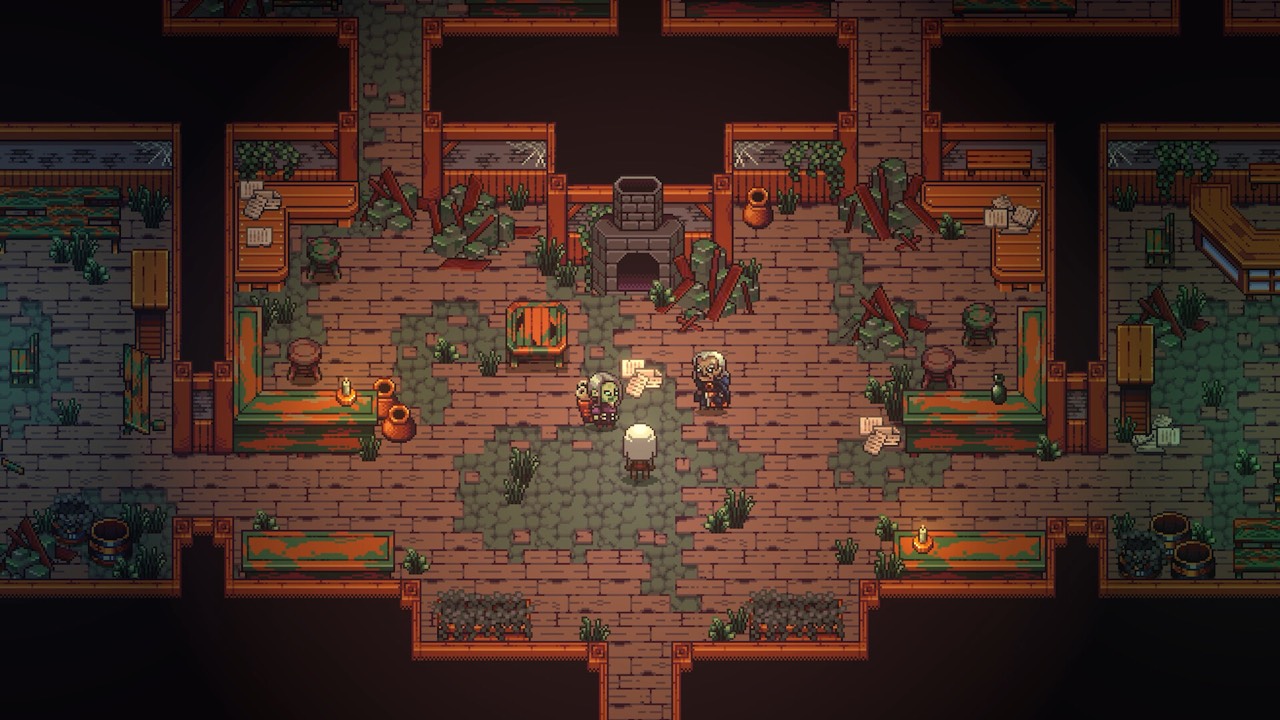
What crafting covers
Studio material reported by Gematsu connects gathered materials with equipment, food, tools and trinkets. That gives crafting a wide reach, from what you wear and wield to what you eat on an expedition. The Steam store describes gathering materials and crafting as part of rebuilding life around the town. Crafting is therefore one of the main loops rather than a side menu.
The developer’s February announcement describes crops, gathering, recipes and craftable items as systems in development. It also says items can develop through skills, blueprints and recipes. That historical description shows the intended direction, not a guarantee that every part is in the current build. Use it to understand the scope rather than as a checklist.
Start with a goal, not a pile of materials
It is tempting to collect everything you see and sort it out later. A more efficient habit is to decide what you want first, such as a weapon upgrade, a supply of food or a building project. With a clear goal, you know which materials actually matter on the next trip. That saves inventory space and time underground.
Write the goal down along with the item you need and the quantity. Then look up its recipe in your own game before leaving. If the recipe needs something you cannot reach yet, you have learned that before wasting a run. This simple planning step does more for progress than any copied shopping list.
Read the current recipe in your build
Recipes are the most version-sensitive part of crafting. The October 22 demo patch notes include fixes to crafting stations and item collection. That is a reminder that how crafting behaves can change between updates. A recipe screen in your installed game reflects those changes; a table from another build may not.
When you read a recipe, note the materials, quantities and the station it requires. Also note any skill or access requirement shown alongside it. Community recipe tables can be useful leads, but they were not independently checked for this guide. Trust your screen whenever the two disagree.
Gathering with a defined target
The developer describes gathering as one of the systems that feeds progression. Exploration and rescues in the Vitromotus also open new opportunities, according to the October demo announcement. That makes gathering trips double as exploration. A focused list keeps those trips from turning into aimless wandering.
Bring back what your recipe needs, plus anything new you have not seen before. Unfamiliar materials may unlock recipes later, and recording where you found them helps future trips. Avoid assuming that a material is useless just because you cannot craft with it yet. Progression may open the recipe that uses it.
Cooking and the first crafting steps
COGconnected tried cooking during its prologue preview. The writer selected an ingredient and started production, which confirms a basic cooking interaction early in the game. That is a good low-risk way to learn how crafting screens work. Food also connects to the studio’s description of crafting supplies for expeditions.
The same preview describes crafting progression with its own leveling and skill trees. That means getting better at crafting is a separate track from combat. It also means early crafting can be worth doing even when the results are simple. Practice now can open better options later.
Crafting has its own progression
Emberville keeps several progression systems side by side. Combat uses weapon proficiency and classes, while crafting has its own levels and skill trees, according to COGconnected. The February announcement adds that items can develop through skills, blueprints and recipes. Each of those may open more crafting options as you advance.
Because these tracks are separate, advice about combat mastery does not automatically apply to crafting. When a guide says you need a certain level, check which system it means. Our tech tree page explains how the different layers fit together. Knowing which menu you are in prevents a lot of confusion.
Crafting and rebuilding the town
The Steam store frames Emberville around restoring the town while exploring below it. Development-era footage on the official press page shows a main town and a creative building area. That footage is not a current-build test, but it shows the kind of building the studio has worked on. Crafting and gathering feed into that rebuilding.
The COGconnected preview ended when the player reached the town. So the later rebuilding economy was not covered there, and this guide does not claim how it balances. Expect town projects to compete with gear for the same materials. Planning by goal becomes even more useful once both draw on your stock.
Planning quantities and a calculator
Larger goals raise a simple question: how much do I need to gather? The math is straightforward once you know a recipe’s yield and ingredients. Subtract what you already own, round up to whole batches, and multiply out the ingredients. Our crafting calculator page explains that method in detail.
What we cannot provide yet is a verified recipe database. Without confirmed, versioned recipes, any calculator would produce numbers that look precise but may be wrong. We will add game-specific totals once recipes can be checked on a stable build. Until then, use the method with the values from your own recipe screen.
Tips that hold across versions
A few habits work regardless of patch changes. They avoid specific numbers that could go out of date. They also keep your own notes useful when you compare with friends. Start with these and refine them as you learn your build.
- Pick one crafting goal per trip and note its recipe first.
- Record the station and any skill requirement next to the recipe.
- Keep unfamiliar materials until you know whether they matter.
- Note your game version when you share quantities.
What is still unverified
Complete recipe quantities, workstation unlock order and optimal farming routes are not established by the collected sources. Blueprint drop rates are also unconfirmed. Some advertised systems may not be fully available in the prologue demo. We have left those details out rather than copying unverified tables.
Early Access begins October 27, 2026, and crafting is likely to be tuned during it. Once recipes can be verified, this guide will gain tables with version labels. If you confirm a recipe with a screenshot, you can send it through our contact page. Please include your build number so it can be checked.
Sources and further reading
- Emberville launches in Early Access on October 27 — Gematsu
- Emberville — Steam store
- February development announcement — Cygnus Cross / Evolve PR
- Demo Patch Notes, October 22 — Cygnus Cross
- Public demo announcement — Cygnus Cross / Evolve PR
- Emberville Preview — COGconnected
- Emberville official press page — Terminals
- What to Expect from Emberville Early Access on October 27th — Cygnus Cross